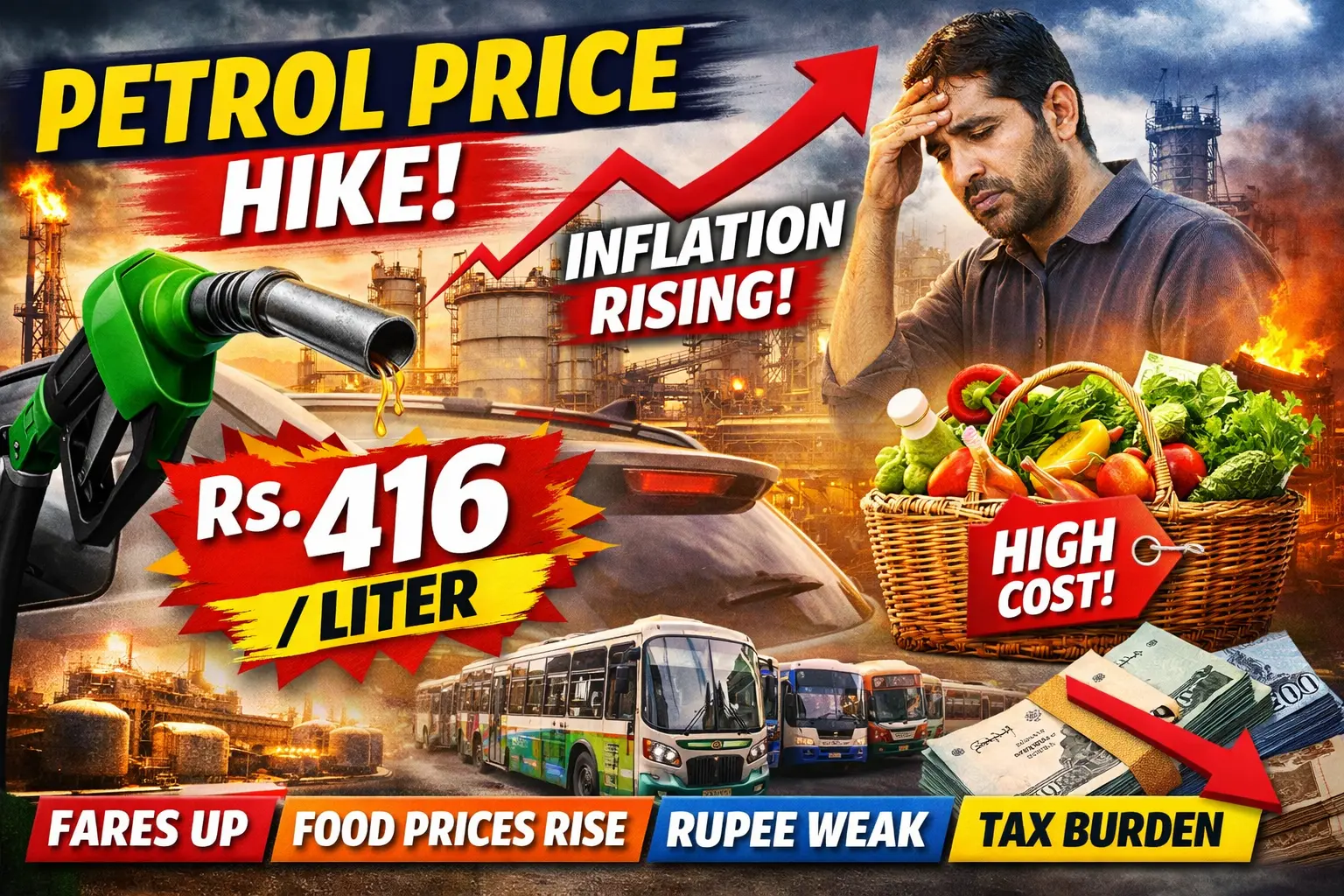
Petrol Price Reaches Rs. 416 Per Liter in Pakistan 2026
Massive Petrol Price Hike Creates Panic Among Citizens
The price of petrol in Pakistan has reportedly reached Rs. 416 per liter, creating serious concern among the public. People across the country are worried because this increase can badly affect daily life, transportation costs, food prices, and household budgets. Petrol is one of the most important fuels in Pakistan, and when its price increases, almost every sector becomes expensive.
Citizens are discussing the issue on social media, in markets, and in offices. Many people say they are already struggling with inflation, and this new petrol price hike may create more financial pressure on middle class and poor families.
Why Petrol Prices Increase in Pakistan
There are several important reasons behind the increase in petrol prices. Pakistan imports a large amount of crude oil from international markets. When global oil prices rise, Pakistan also has to pay more money for fuel imports.
Increase in International Oil Prices
One of the biggest reasons is the rise in global crude oil prices. International conflicts, supply shortages, and economic uncertainty often increase oil prices around the world. When oil becomes expensive globally, Pakistan also faces higher import costs.
Dollar Rate Becoming Stronger
Pakistan buys oil in US dollars. When the Pakistani rupee becomes weak against the dollar, petrol automatically becomes more expensive. The rising dollar rate directly affects fuel prices in the country.
Government Taxes and Petroleum Levy
Another major reason is government taxes and petroleum levy. Different taxes are included in petrol prices. These taxes help the government collect revenue, but they also increase the final price paid by consumers.
Transportation and Import Costs
Shipping charges, refinery costs, and transportation expenses also play a role in increasing fuel prices. Higher freight costs can make imported petrol even more expensive.
Impact of Rs. 416 Petrol on Daily Life
If petrol reaches Rs. 416 per liter, the impact on ordinary citizens could be huge. Transportation, food delivery, and business operations all depend on fuel.
Public Transport Fares May Increase
Bus fares, rickshaw charges, taxi services, and ride hailing apps may increase their prices. Students and office workers who travel daily may face serious financial difficulties.
Food Prices Could Rise Further
Petrol and diesel are used to transport vegetables, fruits, flour, and other food items from one city to another. When transportation costs increase, shopkeepers usually increase product prices. This can create another wave of inflation.
Businesses May Face Higher Expenses
Factories and businesses that depend on transportation may face increased operational costs. Small businesses may struggle to survive if expenses continue rising.
Electricity and Generator Costs
Many people in Pakistan use generators during load shedding. Higher petrol prices mean generators will also become more expensive to operate.
Middle Class Families Under Pressure
Middle class families are expected to suffer the most. Salaries in many sectors are not increasing at the same speed as inflation. Families may have to reduce unnecessary spending, avoid long travel, and cut entertainment expenses.
People who own motorcycles and cars may also start using less fuel to save money. Some families may shift to public transport or carpooling.
Farmers Could Face Difficulties
Farmers also depend heavily on fuel for tractors, water pumps, and transportation of crops. Higher petrol prices can increase agricultural costs, which may eventually increase food prices for consumers.
Agriculture is an important part of Pakistan’s economy, and rising fuel costs can create additional pressure on farmers already dealing with expensive fertilizers and electricity bills.
Public Reaction on Social Media
Many Pakistanis are expressing anger and frustration on social media platforms. Some people are demanding government relief packages, while others are asking for a reduction in petroleum taxes.
Citizens are also sharing concerns about inflation, unemployment, and the rising cost of living. Social media trends related to petrol prices are becoming popular as people discuss the economic situation.
Experts Warn About Inflation
Economic experts believe that very high petrol prices can increase inflation across the country. Inflation means the prices of goods and services rise continuously, reducing the purchasing power of ordinary people.
Experts say that if fuel prices continue increasing, transportation, manufacturing, and retail sectors may all become more expensive.
Government May Introduce Relief Measures
There is hope that the government may announce some relief measures for the public. Possible solutions could include:
Reduction in Petroleum Levy
The government may reduce taxes on petrol to provide temporary relief to citizens.
Subsidies for Public Transport
Authorities may offer support to public transportation services to prevent massive fare increases.
Promotion of Electric Vehicles
Experts are encouraging the use of electric bikes and electric vehicles to reduce dependence on imported fuel.
Energy Saving Campaigns
The government may also launch campaigns encouraging people to save fuel and use public transport whenever possible.
Alternative Solutions for Citizens
People can also take some steps to reduce the impact of expensive petrol.
Use Public Transport
Using buses and vans instead of personal vehicles can save fuel costs.
Carpooling
Sharing rides with friends or coworkers can help reduce expenses.
Reduce Unnecessary Travel
Avoiding unnecessary trips can save money and fuel.
Vehicle Maintenance
Keeping vehicles properly maintained improves fuel efficiency and reduces fuel consumption.
Pakistan’s Economic Challenges Continue
Pakistan is already facing several economic challenges including inflation, high electricity bills, and unemployment. Rising petrol prices can make the situation more difficult for both businesses and ordinary citizens.
Economic stability is important for controlling inflation and improving the standard of living. Many people hope that fuel prices will decrease in the coming months.
Conclusion
The reported increase of petrol prices to Rs. 416 per liter has created serious concern among Pakistani citizens. Fuel prices affect every part of daily life, from transportation and food to business and agriculture. If prices continue rising, inflation may become even more difficult for ordinary families.
People are hoping for government relief measures and better economic policies to reduce the burden on the public. Until then, citizens may need to manage expenses carefully and look for fuel saving solutions in their daily routines.
Disclaimer
This article is based on circulating news reports and public discussions regarding petrol prices in Pakistan. Actual petrol prices may vary according to official government announcements and updates from relevant authorities.