
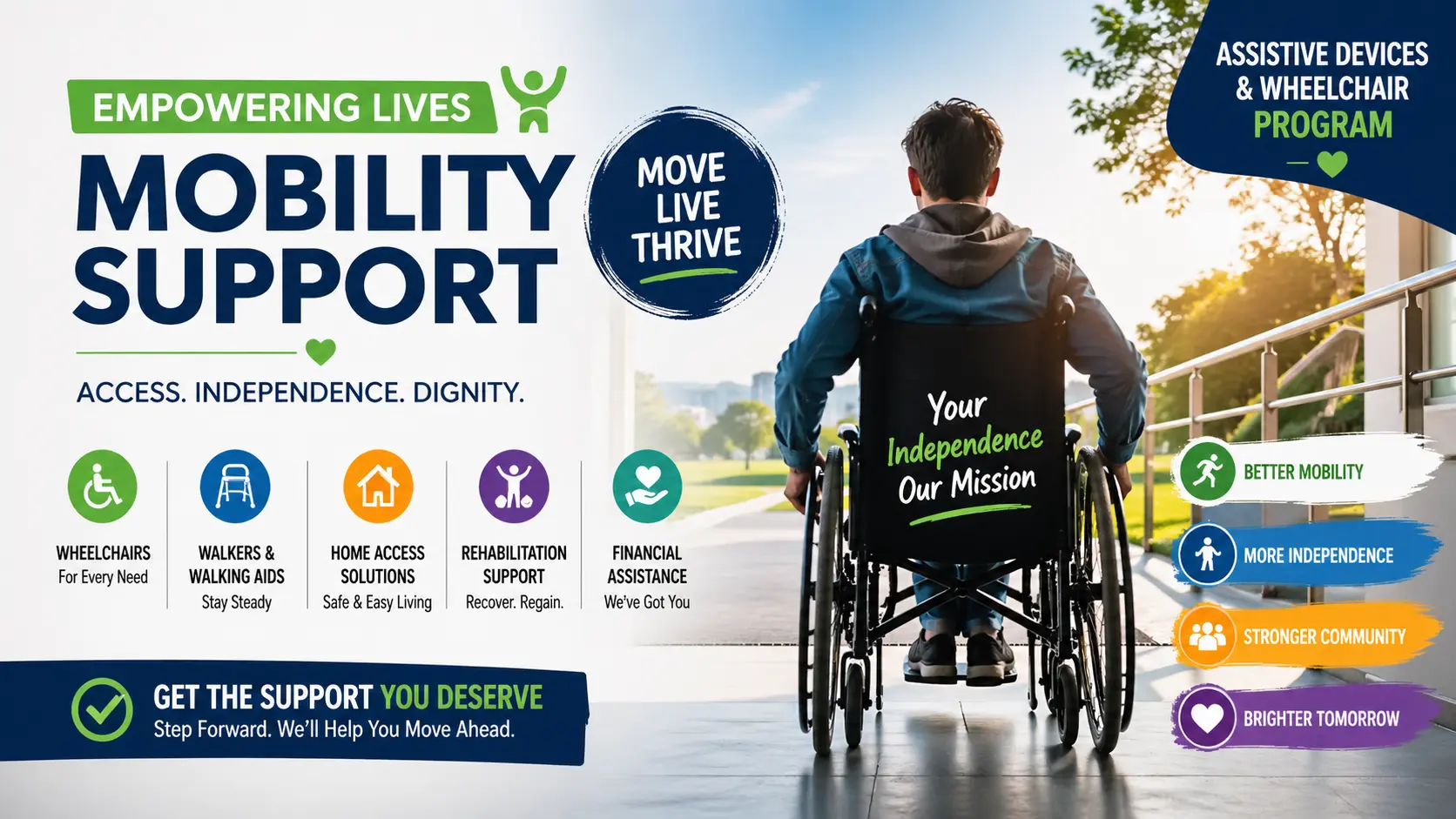
How Assistive Device Programs Improve Mobility and Independence
Mobility challenges can significantly impact a person’s daily life, limiting independence and access to opportunities. To address these issues, assistive device and wheelchair support programs have been developed to provide essential equipment and services to those in need. These initiatives aim to empower individuals by improving movement, reducing dependence on others, and enhancing overall quality of life.
Such programs are especially valuable for people who cannot afford costly medical equipment. By offering access to mobility aids and rehabilitation support, they help individuals lead more active, confident, and dignified lives.
Understanding Assistive Device and Wheelchair Programs
Assistive device programs are structured efforts designed to provide tools that help individuals overcome physical limitations. These tools include wheelchairs, walking aids, and other supportive equipment tailored to different mobility needs.
The primary goal of these programs is not just to distribute equipment but to ensure that individuals receive the right support according to their condition. This includes proper assessment, guidance, and follow-up care to maximize the effectiveness of the devices.
These programs often operate through government institutions, non-profit organizations, or healthcare systems. They focus on making mobility solutions accessible to all, regardless of financial background.
Why These Programs Matter in Everyday Life
Mobility is directly connected to independence. When a person can move freely, they can participate in education, employment, and social activities without constant assistance. Assistive device programs play a critical role in making this possible.
One of the biggest advantages is improved movement. Individuals who previously struggled to walk or perform daily tasks can regain control over their lives. This leads to greater confidence and a sense of self-reliance.
Another important benefit is better health. Limited mobility can cause various physical complications, including muscle weakness and poor circulation. By using the right equipment, individuals can stay active and reduce health risks.
These programs also encourage social inclusion. People with mobility challenges often feel isolated, but access to proper devices allows them to engage with their community more easily.
Financial support is another key aspect. Medical equipment can be expensive, and not everyone can afford it. These programs reduce the financial burden, making essential tools accessible to those who need them most.
Main Types of Support Available
Assistive device programs offer a wide range of solutions designed to meet different levels of mobility challenges.
Manual Mobility Chairs
These are simple, lightweight chairs that are either self-propelled or operated with assistance. They are suitable for individuals who have sufficient upper body strength or support from caregivers.
Powered Wheelchairs
Electric wheelchairs are designed for users with limited physical strength. They are operated through a control system, allowing independent movement without manual effort.
Walking Support Tools
This category includes canes, crutches, and walkers. These tools are helpful for individuals who can walk but need additional balance and stability.
Home Accessibility Equipment
To improve mobility within living spaces, programs may provide items like ramps, support rails, and adjustable furniture. These modifications make homes safer and easier to navigate.
Rehabilitation Equipment
Recovery-focused tools are also included in some programs. These devices assist individuals in regaining strength and mobility after injuries or surgeries.
Application Process Explained
Getting assistance through these programs typically involves a few essential steps. While procedures may vary depending on the organization or region, the general process remains similar.
The first step is to consult a qualified healthcare professional. A proper medical evaluation helps determine the type of device required.
After the assessment, applicants need to complete a formal request or application. This usually includes providing personal identification, medical reports, and proof of financial status.
Once the application is submitted, it goes through a review process. Authorities evaluate the applicant’s condition and eligibility before approving the request.
After approval, the appropriate device is provided based on the individual’s specific needs. In some cases, training or guidance is also offered to ensure safe and effective usage.
Who Can Take Advantage of These Programs?
These support systems are designed for a broad group of individuals facing mobility challenges.
People with long-term physical disabilities are among the primary beneficiaries. These individuals often require continuous support to maintain independence.
Older adults experiencing age-related mobility issues can also benefit greatly. As physical strength declines with age, assistive devices become essential for safe movement.
Patients recovering from accidents or surgical procedures are another key group. Temporary support during recovery can significantly speed up the healing process.
Individuals with chronic conditions that affect movement, such as neurological or muscular disorders, are also eligible for assistance.
The goal is to ensure equal access to mobility support for everyone, regardless of their financial situation.
Common Challenges in Implementation
Despite their importance, these programs are not without limitations.
One of the major issues is limited availability of advanced equipment. In some regions, access to modern devices is restricted due to budget constraints.
Another challenge is the waiting period. High demand and limited resources can lead to delays in receiving assistance.
Lack of awareness is also a significant barrier. Many eligible individuals are unaware that such programs exist, preventing them from benefiting from available support.
Funding shortages can further impact the quality and reach of these initiatives. Increased investment is needed to expand services and improve accessibility.
How to Get the Best Results from These Programs
To fully benefit from assistive device support, it is important to follow certain best practices.
Always seek professional advice before selecting a device. Proper evaluation ensures that the equipment matches the user’s needs.
Correct fitting is essential for comfort and safety. Ill-fitted devices can cause discomfort and even lead to injuries.
Learning how to use the equipment properly is equally important. Many programs offer basic training to help users adapt quickly.
Regular maintenance should not be overlooked. Keeping the device in good condition ensures long-term usability and reliability.
Exploring additional rehabilitation services can also enhance results. Combining assistive devices with therapy often leads to better outcomes.
Frequently Asked Questions
What are assistive device programs?
They are organized initiatives that provide tools and support to individuals with mobility challenges.
Who is eligible for these programs?
Eligibility typically includes people with disabilities, elderly individuals, and patients recovering from injuries or surgeries.
Are these services free?
Many programs offer free or subsidized equipment, depending on funding and policies.
What kind of devices are provided?
Common items include wheelchairs, walkers, crutches, and home accessibility tools.
How long does the process take?
The timeline varies based on the program, application review, and equipment availability.
Final Thoughts
Assistive device and wheelchair support programs are essential for improving the lives of individuals with mobility limitations. By providing access to necessary tools and services, they help people regain independence and participate more actively in society.
These programs go beyond physical support—they restore confidence, dignity, and hope. With better awareness, improved funding, and efficient implementation, they can reach even more individuals in need.
Understanding how these systems work and taking advantage of available resources can make a significant difference in achieving a more independent and fulfilling life.