Petrol Prices in Pakistan April 2026: Latest Updates and Economic Impact
Petrol prices in Pakistan have once again increased, creating concern among the public, transport sector, and businesses. As of 01 April 2026, the Government of Pakistan has announced new petroleum rates, reflecting a significant rise in both petrol and diesel prices.
Fuel costs affect almost every aspect of daily life, from transportation to household expenses, making it essential to understand the latest trends and implications. This article provides a detailed overview of petrol and diesel prices in Pakistan, the reasons behind the hike, and its potential impact on the economy.
Latest Petrol Prices in Pakistan Today (01 April 2026)
According to official updates, the new petroleum prices effective from 01 April 2026 are:
- Petrol (MS): Rs. 321.17 per litre
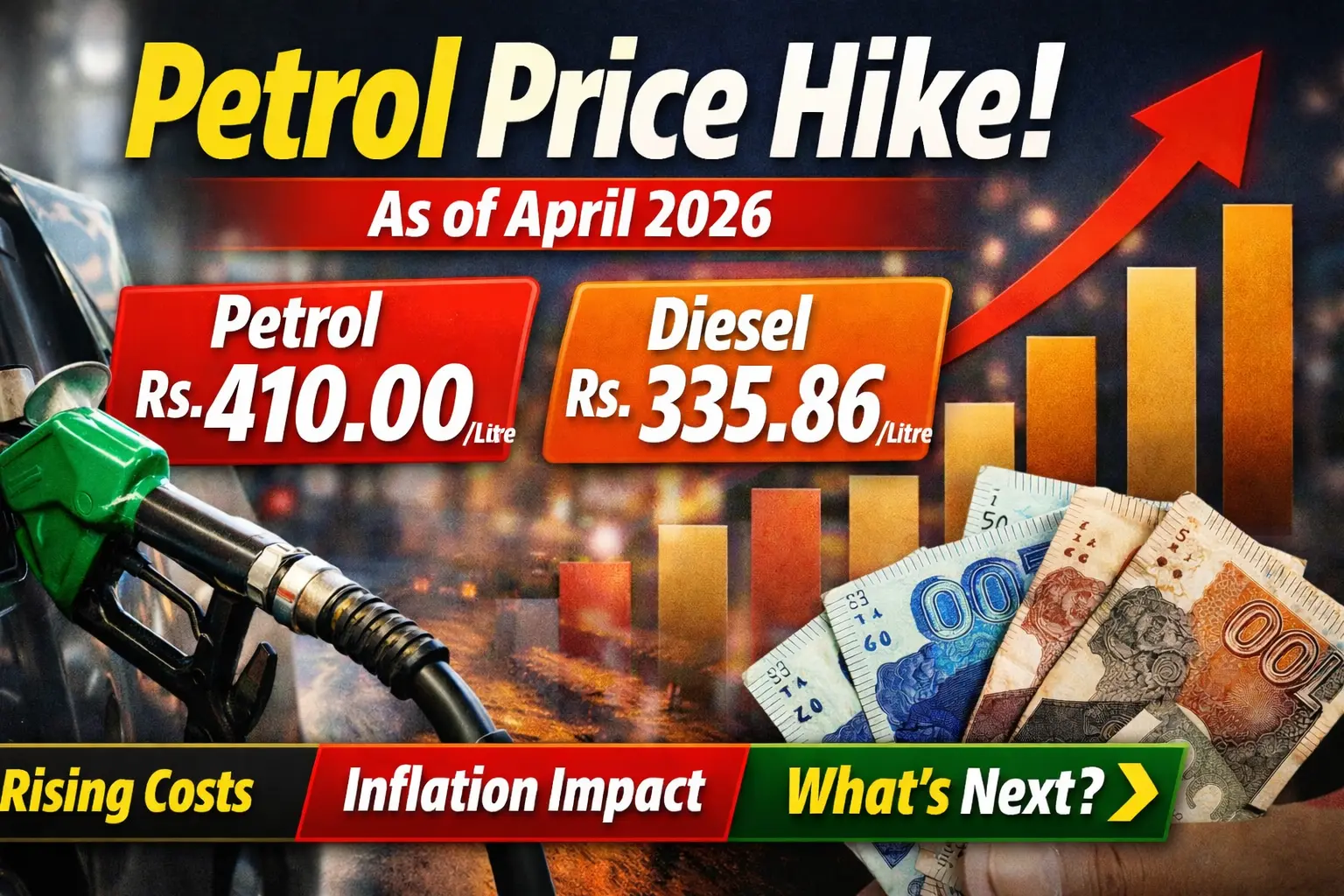
- High-Speed Diesel (HSD): Rs. 335.86 per litre
These prices indicate a noticeable increase compared to previous rates, adding financial pressure on consumers, businesses, and transport operators.
Key Highlights of Petrol Prices April 2026
- Petrol price increased to Rs. 321.17 per litre
- Diesel price reached Rs. 335.86 per litre
- Prices effective from 01 April 2026
- Rise linked to global oil market trends
- Expected increase in transportation and goods prices
This surge is expected to impact nearly every sector of the economy, from public transport to manufacturing and logistics.
Why Petrol Prices Increased in Pakistan April 2026
Several factors contribute to the rise in petrol and diesel prices. Understanding these factors can help consumers and businesses plan their expenses more effectively.
1. Rise in International Oil Prices
Pakistan relies heavily on imported fuel. Any increase in global crude oil prices directly affects domestic petrol and diesel rates. Recent volatility in international markets has pushed prices upward.
2. Currency Depreciation
The Pakistani Rupee has weakened against the US Dollar, increasing the cost of importing petroleum products. This depreciation adds to the overall price burden.
3. Government Taxes and Petroleum Levy
The petroleum levy is a significant part of fuel pricing. Increases in taxes or levies automatically raise retail fuel prices.
4. Import and Distribution Costs
Logistics, freight charges, refining costs, and supply chain expenses all contribute to the final consumer price.
How Petrol Prices Are Calculated in Pakistan
Petrol prices are determined through a structured mechanism to reflect international market conditions accurately. The process includes:
- OGRA Review – The Oil & Gas Regulatory Authority reviews global oil prices.
- Currency Consideration – Exchange rate fluctuations are factored in.
- Import & Refining Costs – Costs related to transportation, refining, and distribution are added.
- Taxes and Levies – Government taxes and petroleum levy are applied.
- Finance Ministry Approval – Final rates are approved by the Finance Ministry.
This ensures that local fuel prices align with global trends while considering domestic economic factors.
Impact of Petrol Price Increase on Pakistan’s Economy
Rising fuel costs have a domino effect across the economy:
Increase in Inflation
Higher fuel prices lead to increased transportation costs, which in turn raise the cost of goods and services.
Transportation Costs Rise
Public transport fares, ride-hailing services, and logistics charges see a significant surge.
Business Costs Increase
Industries that rely heavily on fuel for production and distribution face higher operational expenses.
Pressure on Household Budgets
Daily expenses for citizens increase, affecting commuting, groceries, and essential goods.
Petrol Price Trend in Pakistan: 2025–2026
The trend of petrol prices over the past year shows:
- Early 2025: Prices were relatively stable
- Late 2025: Gradual increase in rates
- Early 2026: Sharp surge due to global oil price volatility and currency depreciation
This trend demonstrates how global oil market fluctuations directly impact Pakistan’s fuel pricing.
Expected Petrol Prices in April 2026
Experts suggest several possibilities for the coming weeks:
- Prices may remain high due to sustained global oil demand
- A stronger Pakistani Rupee may help stabilize rates
- Government adjustments in petroleum levy could control inflation
- However, price fluctuations are expected throughout the month
Tips to Save Fuel Costs During High Petrol Prices
With petrol prices at record highs, consumers can adopt practical strategies to reduce expenses:
- Avoid Unnecessary Travel – Plan trips efficiently and combine errands.
- Use Public Transport – Save on fuel costs by using buses, trains, or carpooling.
- Vehicle Maintenance – Regular servicing improves fuel efficiency.
- Fuel-Efficient Driving – Avoid sudden acceleration, maintain steady speeds, and reduce idling.
- Plan Routes – Choose shorter or less congested routes to save fuel.
Government Measures Regarding Petrol Prices
The Government of Pakistan has several tools to manage fuel pricing:
- Adjusting the petroleum levy to ease consumer burden
- Providing subsidies to targeted sectors
- Efficient management of fuel imports
- Monitoring global oil market trends
Despite these measures, complete control over petrol prices is challenging due to external factors like global crude oil prices and currency fluctuations.
Petrol Prices in Pakistan – Complete Overview
- Petrol (MS): Rs. 321.17 per litre
- Diesel (HSD): Rs. 335.86 per litre
- Increase driven by global oil market trends and local economic factors
- Significant impact on transportation, household budgets, and business costs
- Future prices dependent on international oil prices and government policy
Frequently Asked Questions (FAQs)
Q1: What is the latest petrol price in Pakistan today?
A1: Rs. 321.17 per litre (effective from 01 April 2026).
Q2: What is the diesel price in Pakistan today?
A2: High-Speed Diesel price is Rs. 335.86 per litre.
Q3: Why are petrol prices increasing in Pakistan?
A3: Due to rising global oil prices, currency depreciation, and government taxes.
Q4: Who sets petrol prices in Pakistan?
A4: OGRA recommends prices, and the Government of Pakistan approves them.
Q5: How often do petrol prices change in Pakistan?
A5: Usually every 15 days.
Final Words
The recent petrol price hike effective from 01 April 2026 highlights the ongoing economic challenges in Pakistan. With petrol at Rs. 321.17 and diesel at Rs. 335.86 per litre, the impact on daily life, business operations, and transportation is considerable.
Individuals and businesses must stay informed and adopt fuel-saving strategies to manage rising costs. Monitoring petrol price updates regularly can help in better financial planning during these uncertain economic times.
Disclaimer: This article is for informational purposes only. Prices and policies are subject to change by the Government of Pakistan. Readers should verify rates and guidelines from official sources before making financial or business decisions.